Working in the UAE isn’t just about the heat from the sun hanging in the sky. The heat underfoot is just as intense. Asphalt, metal, concrete, hot sand—all of these materials heat up to temperatures at which ordinary shoes simply melt or lose their shape. HRO is a special sole marking that guarantees its resistance to heat up to 300°C. This type of sole is used in footwear for welders, metallurgists, builders, and logisticians working near hot surfaces. But in reality, the climate of the UAE makes HRO soles a necessity even for those who simply work outdoors.
How does it feel? You stand on a metal platform or warm asphalt for more than 5 minutes. If the sole cannot withstand it, the heat begins to rise. First, there is a slight burning sensation, then it feels like you are standing barefoot on hot sand. And it’s not just discomfort. It also poses a risk of burns, inflammation, fatigue, and overheating of the body as a whole.
What you need to know about HRO soles
A heat-resistant sole is a special material (usually a rubber compound) tested according to EN ISO 20345 for resistance to heat when in contact with hot surfaces. HRO is a mark indicating that the sole can withstand:
- Contact with surfaces up to 300°C for at least 60 seconds.
- Retention of shape and adhesion after heating.
- No melting or deformation.
HRO does not mean that you can walk on hot metal all day long. But it is protection that will give you time to work safely without risk to your feet. In these conditions it becomes clear why it is critically important for workers in the Emirates to buy safety shoes in Dubai with heat-resistant soles. Otherwise, your feet become the first target of climatic aggression.
Why is this necessary in regular street work?
- Because in summer in the UAE, the asphalt heats up to 70–80°C.
- Metal containers, construction pallets, and panels heat up to over 100°C.
- Choosing the wrong shoes causes daily stress for the body.
Drivers, loaders, foremen, assemblers, and logisticians working in open warehouses are particularly susceptible to overheating feet. One hour of work without thermal protection and your feet literally start to burn. HRO soles not only save you from pain, but also from microtraumas that accumulate unnoticed.

What else does high-quality HRO footwear offer?
- Resistance to slipping even when heated.
- Additional protection against chemicals and oils (often comes as part of a package).
- Extending the service life of footwear when working on aggressive surfaces.
- Less fatigue and swelling thanks to the stability of the sole.
Real-world experience in the UAE
Engineer Adel, who works in the sea container unloading area in Jebel Ali, says: “Since switching to HRO soles, I am less distracted by the heat. Before, I couldn’t stand on metal for more than two minutes — now I can work comfortably even in the peak heat.”
What happens if you ignore HRO?
At first, nothing happens. Ordinary soles seem to withstand the heat. But after a couple of weeks of intensive work on hot surfaces, small but dangerous things start to happen: the sole loses its grip, becomes soft, and deforms. This leads to the foot starting to “slip” in the shoe, calluses appearing, and the foot tiring more quickly. And the first time you step on hot metal, you get a shock and a burn.
This is especially common with footwear that looks sturdy but lacks thermal protection. Workers think they are protected, but in reality, they are putting their health at risk every day. That is why knowledgeable foremen and HR managers are increasingly including HRO safety shoes in the mandatory equipment list in the Emirates.
A simple checklist before buying:
Answer these few questions for yourself:
- Where do you work: is there direct contact with heated surfaces?
- How much time do you spend outside in the heat?
- How quickly do your shoes wear out at the bottom?
- Do you experience burning sensations or fatigue in your legs prematurely?
If you answered “yes” to at least two of these questions, you definitely need HRO soles. It’s a small detail that makes all the difference.
Why TALAN means confidence in the protection of your feet
When the soles of your safety shoes start to melt in the heat, it’s time to change manufacturers. TALAN is one of those brands that understands that the UAE climate requires a special approach. Their models with HRO soles are designed specifically for the conditions of the Middle East: they withstand heat, retain their shape, and do not lose their protective properties even after a week of work on hot surfaces.
Particularly valued:
- Dense, wear-resistant rubber from which the sole is made.
- Strong connection to the upper part of the shoe.
- Work shoes that are resistant to oils, sparks, and sudden temperature changes.
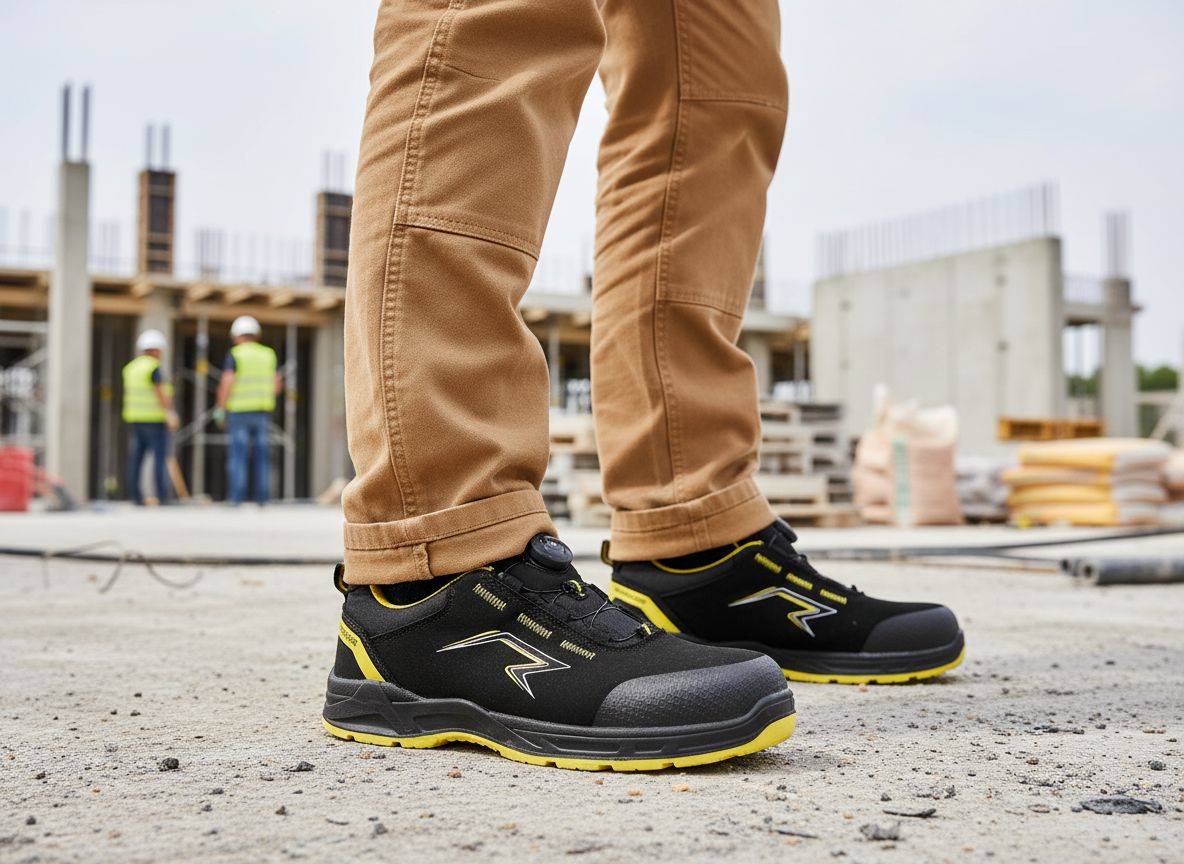
Thermal protection is not a bonus, but a necessity.
Working in the UAE involves a combination of temperature, materials, and shift lengths that makes any safety shoes vulnerable if it is not adapted. TALAN is one of the few manufacturers that takes this into account not just in words, but in technology. Their HRO soles provide real protection, tested at container terminals, construction sites, and industrial zones in Dubai.
If you are serious about the health of your feet, start with the right sole. And in the UAE, that should be HRO. Sun-tested.